Denim Tears Suit
Tees & shirts weidian · recorded 150–300 g · sizes S–XXL · checked 2026-10-06
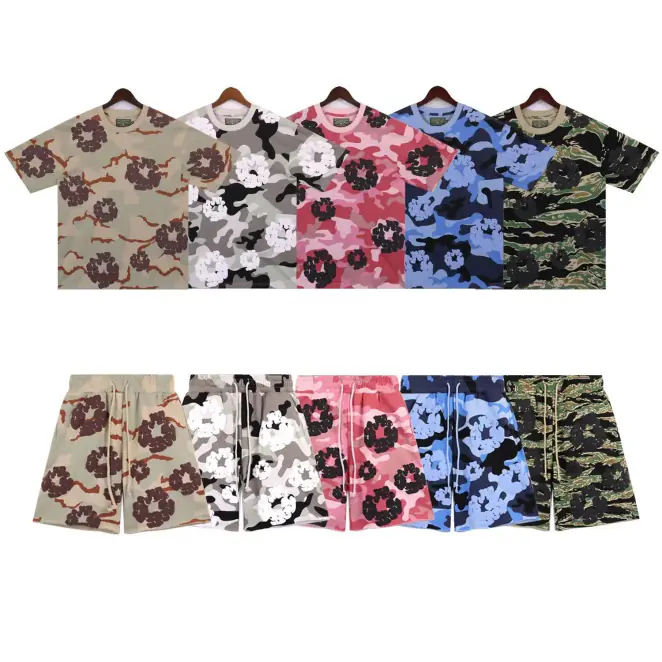
joyagoo.mobi is an independent record. Links to Kakobuy carry a source tag so the click can be counted (marked joyagoo.mobi) — it does not change what we list. How links work.
Weight band and sizing
| Recorded weight band | 150–300 g |
|---|---|
| Size range seen | S–XXL |
| Source platform | weidian |
| Category | Tees & shirts |
Band recorded by us across the samples listed in the method page; treat anything outside it as Not verified.
Three QC positions for this category
- Collar ribbing recovery after stretch
- Side seam alignment at the hem
- Neck label size vs the ordered size
The full reading protocol is on the QC scorecard, which scores these same five positions as pass, ask or return.
What the record says
Weigh Denim Tears Suit before anything else, because the Tees & shirts group covers a wide band and the label alone will not settle it.
The weight band held for this entry is 150–300 g, and the figure is estimated from the Tees & shirts category and not measured on a bench. Size coverage is S–XXL; the parts worth putting on the bench are chest width flat, body length, and collar opening across the widest point. Recorded on this entry: the listing traces to Weidian item 7629351560 and carries this record's own reference 2395159253.
Three points carry the reading. First, collar ribbing recovery after stretch — read at bench height rather than in the hand, because distortion hides here most easily. Second, side seam alignment at the hem, taken twice, before and after handling, because handling changes the surface. Third, neck label size vs the ordered size, shot close enough that the finish, rather than the overall shape, fills the frame. All three frames are filed before the parcel is closed, and any single failure sends the entry back for a repeat reading.
For consolidation, single jersey folds almost flat, so several pieces add mass without adding volume. Weigh in this sequence: the garment flat, before any bagging. Four pieces of this weight class rarely move a parcel into a higher freight band on their own. Shoulder-to-shoulder tape is what stops the neckline from stretching during the first pull-over, and it is invisible in most listing photographs.
Production drift is expected rather than exceptional. Yarn count, tubular versus cut-and-sew construction and print placement all vary between runs of the same artwork. Read the entry against the three points above and treat the rest as commentary.